
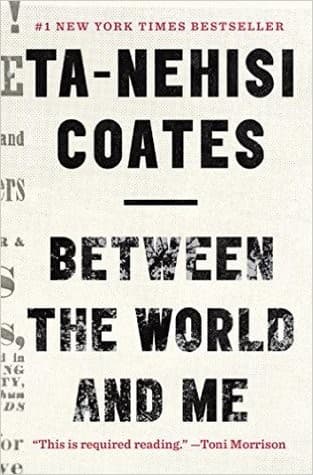
A nonfiction letter from Ta‑Nehisi Coates to his teenage son that explains what it feels like to be Black in the United States.
Why it connectsShared: Identity and Intimate.
Worth knowingReaders looking for an exhaustive, footnoted historical study.
Book
Preparing this book and its discovery paths.
Gathering the strongest related paths from this book.
A nonfiction letter from Ta‑Nehisi Coates to his teenage son that explains what it feels like to be Black in the United States.
Why it connectsShared: Identity and Intimate.
Worth knowingReaders looking for an exhaustive, footnoted historical study.
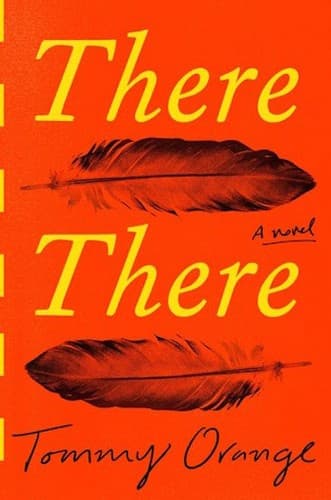
A linked ensemble novel that follows multiple Native American characters living in and around Oakland who converge around a community powwow.
Why it connectsShared: Literary Fiction and Identity.
Worth knowingReaders seeking a single linear protagonist and slow-building plot.
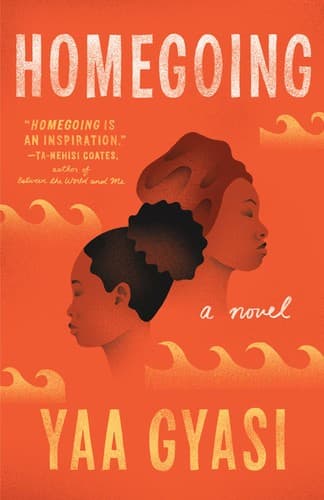
A multi-generational family saga tracing the legacies of slavery and migration across several branches of one extended lineage. Each short chapter follows a descendant in a different time and place, showing how historical violence and displacement shape personal lives across generations.
Why it connectsShared: Episodic Structure, Literary Fiction, and Intimate.
Worth knowingReaders wanting an uninterrupted, single-protagonist arc across a full novel.
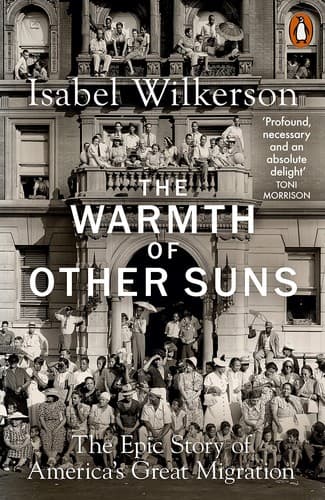
A narrative history of the Great Migration, tracing the movement of Black Americans out of the U.S. South into northern, midwestern, and western cities across much of the twentieth century.
Why it connectsSibyl sees a broader connection here, but not one precise enough to name.
Worth knowingReaders seeking a short, overview-style survey of the Great Migration.
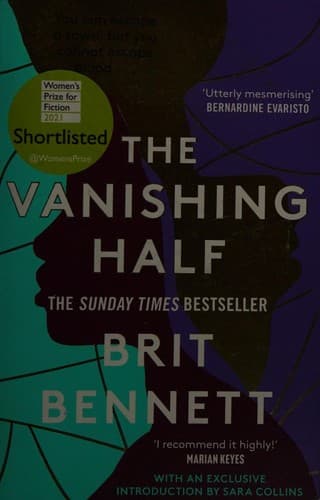
Two twin sisters from the same small town take divergent paths—one remaining close to home, the other leaving and living under a different racial identity—and the novel follows how that split shapes their lives, their families, and the next generation across decades.
Why it connectsShared: Literary Fiction, Observant, and Identity.
Worth knowingThe multi-decade structure follows several lives, sometimes leaving one character just as another strand becomes absorbing.
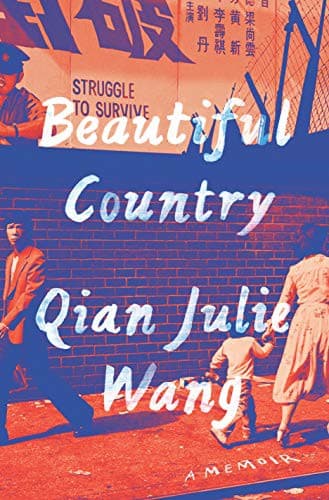
A first-person memoir by Qian Julie Wang about arriving in the United States as a child with her parents and living undocumented. The narrative follows her family's struggle with poverty, precarious work, and the constant fear and limitations that come with noncitizen status.
Why it connectsShared: Episodic Structure and Observant.
Worth knowingReaders looking for plot-driven or uplifting escapist narratives.
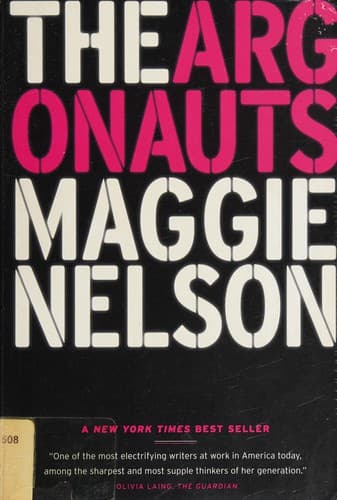
A first-person, essayistic account that traces an author's experiences around pregnancy, partnership, and family while weaving in philosophical and theoretical reflections. The work observes intimate domestic moments alongside questions about gender, identity, and what it means to make a family in contemporary life.
Why it connectsSibyl sees a broader connection here, but not one precise enough to name.
Worth knowingReaders seeking linear, plot-focused narratives or traditional chronological memoirs.
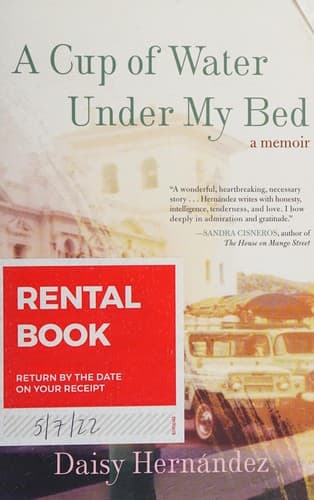
A Cup of Water Under My Bed is a memoir in linked essays about growing up Colombian–Cuban in a working-class immigrant family.
Why it connectsShared: Observant and Identity.
Worth knowingReaders seeking a strictly chronological life narrative.
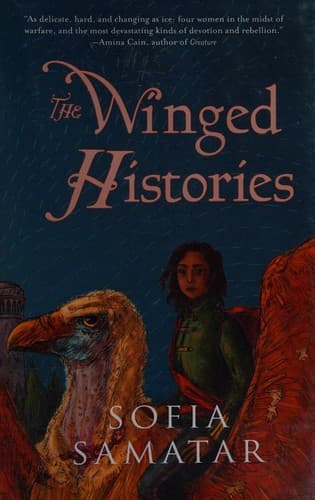
A literary fantasy that situates several women’s lives inside a shared historical and cultural landscape, using personal narratives and communal memory to trace how past events shape identity and responsibility.
Why it connectsShared: Episodic Structure, Identity, and Thoughtful.
Worth knowingReaders wanting fast-paced, plot-first fantasy.
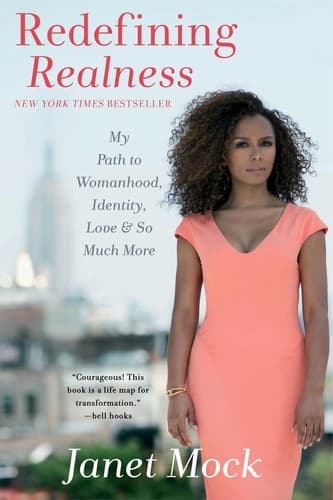
Janet Mock recounts her path to womanhood from childhood through young adulthood, focusing on the realities of growing up transgender and multiracial in Hawaii and negotiating family, community, and medical systems.
Why it connectsShared: Identity and Intimate.
Worth knowingReaders seeking a detached, academic treatment of gender studies rather than a personal narrative.
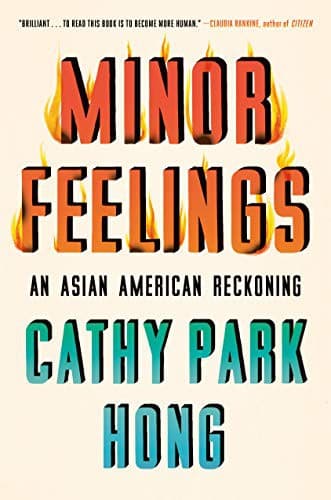
A linked essay collection blending memoir and criticism in which the author uses personal anecdotes, cultural analysis, and literary reflection to name and look closely at 'minor feelings'—ambivalent, often-dismissed emotions that arise from living as an Asian American in the United States.
Why it connectsSibyl sees a broader connection here, but not one precise enough to name.
Worth knowingThose wanting a neutral, academic survey of Asian American history rather than personal argument.
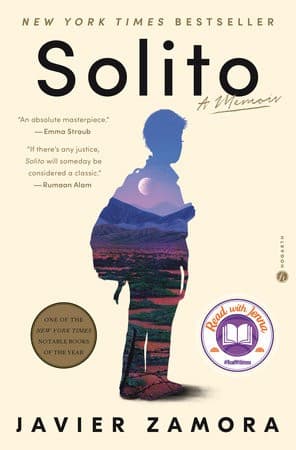
A first-person memoir recounting the author's migration from El Salvador to the United States as a child. The narrative follows the physical and emotional journey, the dangers and practical hurdles of traveling undocumented, and the ongoing effects of displacement on family and identity.
Why it connectsSibyl sees a broader connection here, but not one precise enough to name.
Worth knowingReaders wanting exhaustive political analysis or historical background may find the book focused on personal experience instead.