

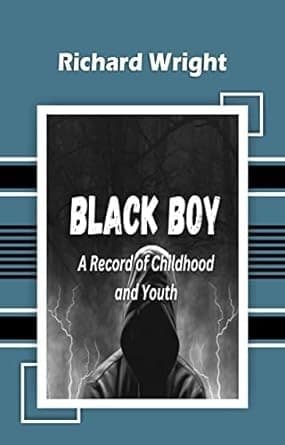
Set on Chicago's South Side in the 1930s, the novel follows Bigger Thomas, a young Black man shaped by crushing poverty and social isolation.
Why it connectsShared: Racial Injustice.
Worth knowingReaders seeking light or uplifting entertainment.
Book
Preparing this book and its discovery paths.
Gathering the strongest related paths from this book.
Set on Chicago's South Side in the 1930s, the novel follows Bigger Thomas, a young Black man shaped by crushing poverty and social isolation.
Why it connectsShared: Racial Injustice.
Worth knowingReaders seeking light or uplifting entertainment.
.png%3Fwidth%3D700&w=3840&q=75)
Set against the realities of a mid-20th-century reform school in the American South, the novel follows young boys who confront daily physical and moral violence inside a state institution.
Why it connectsShared: Coming of Age and Racial Injustice.
Worth knowingReaders seeking light or escapist entertainment.
An unnamed Black narrator recounts his journey through segregated American life, encountering institutions, movements, and people that test his sense of self.
Why it connectsShared: Earnest.
Worth knowingThe episodic journey leans into speeches, symbolism, and surreal set pieces rather than tidy realism or quick resolution.
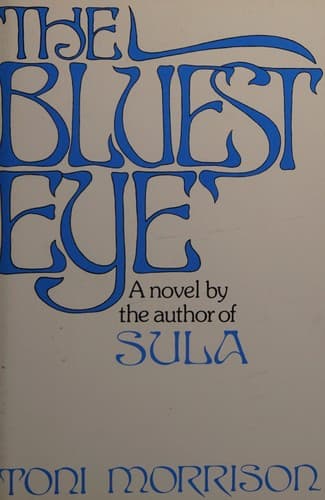
Set in a Midwestern town during the Depression era, the novel follows a young Black girl who internalizes local and cultural standards of beauty and longs for blue eyes as a way to be seen as lovable.
Why it connectsShared: Coming of Age.
Worth knowingReaders seeking upbeat or plot-driven entertainment.
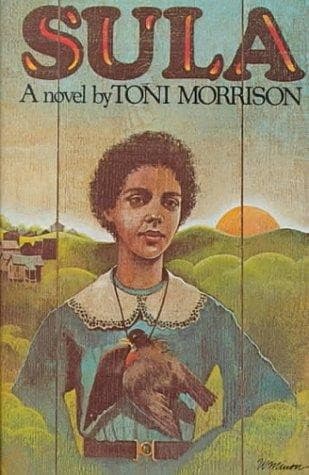
Two girls grow up together in a Black Ohio neighborhood and their friendship—shaped by class, family, and local expectations—becomes a lasting pressure that reshapes both their lives and the community around them.
Why it connectsShared: Coming of Age.
Worth knowingReaders who prefer plot-heavy, continuously narrated stories.

A novel told through letters that follow a Black woman’s life in the American South across early adulthood, tracing how she survives sexual and domestic abuse, discovers personal voice, and finds connection with other women.
Why it connectsShared: Direct and Coming of Age.
Worth knowingReaders who avoid explicit accounts of sexual or domestic violence.
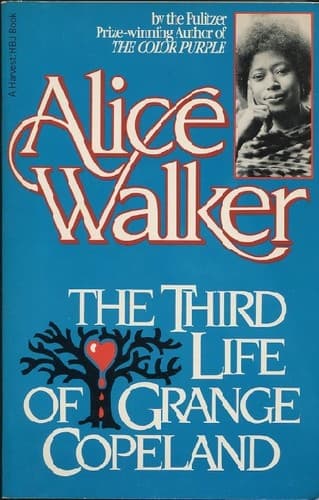
Set in rural Georgia during the cotton/sharecropping era, the novel follows Grange Copeland and the consequences of his decisions across generations.
Why it connectsSibyl sees a broader connection here, but not one precise enough to name.
Worth knowingReaders seeking fast-paced or plot-heavy narratives.

A contemporary Black woman living in 1970s Los Angeles is repeatedly pulled back in time to a Maryland plantation in the early 19th century, where she encounters ancestors and must navigate slavery's social and moral realities to survive and return to her own time.
Why it connectsSibyl sees a broader connection here, but not one precise enough to name.
Worth knowingThose who avoid sustained depictions of physical and racial violence.

Set in an early 20th-century Brooklyn neighborhood, the novel follows a young girl growing up amid economic hardship and complex family dynamics. It traces the pressures of poverty, education, and personal ambition as the child negotiates loyalty to family and the desire for a different future.
Why it connectsShared: Episodic Structure and Coming of Age.
Worth knowingThose who want fast-paced, plot-first novels.

Set in late-colonial Nigeria, the novel follows Okonkwo, a powerful member of an Igbo clan, as local customs and personal codes confront outside forces and new beliefs.
Why it connectsShared: Direct.
Worth knowingReaders seeking experimental narrative forms or fragmented timelines.
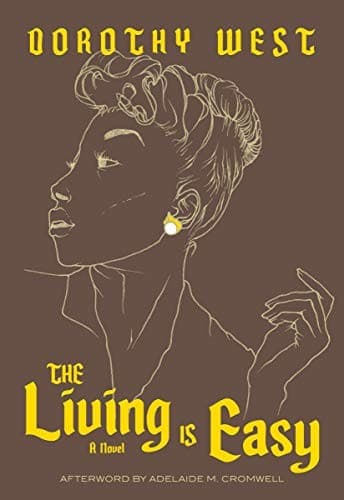
Set in 1914 Boston, the novel follows Cleo Jericho Judson, a mixed‑race woman embedded in an upper‑middle‑class African‑American community, as she navigates choices about marriage, social position, and belonging.
Why it connectsSibyl sees a broader connection here, but not one precise enough to name.
Worth knowingReaders who prefer fast, eventful plots or sweeping historical epics.
.jpg%3Fwidth%3D700&w=3840&q=75)
Set in an imagined Antebellum United States, the novel follows Cora, an enslaved woman who flees a Georgia plantation via an Underground Railroad visualized as an actual subterranean railway.
Why it connectsSibyl sees a broader connection here, but not one precise enough to name.
Worth knowingReaders seeking light or escapist historical plots.