

Set on Chicago's South Side in the 1930s, the novel follows Bigger Thomas, a young Black man shaped by crushing poverty and social isolation.
Why it connectsShared: Literary Fiction.
Worth knowingReaders seeking light or uplifting entertainment.
Book
Preparing this book and its discovery paths.
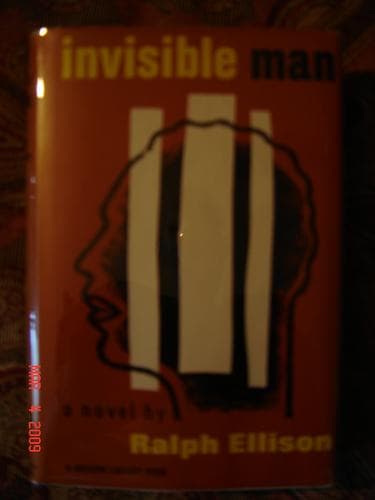
Gathering the strongest related paths from this book.
Set on Chicago's South Side in the 1930s, the novel follows Bigger Thomas, a young Black man shaped by crushing poverty and social isolation.
Why it connectsShared: Literary Fiction.
Worth knowingReaders seeking light or uplifting entertainment.
Told from the viewpoint of a returning World War II veteran, the novel follows his arrival in Los Angeles and the tense relationships he forms there while an external string of murders and police investigation encircle him.
Why it connectsSibyl sees a broader connection here, but not one precise enough to name.
Worth knowingReaders seeking clue-led whodunits or clear answers.
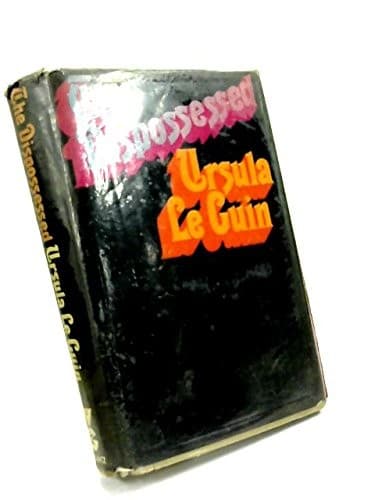
Two contrasting societies — one organized around communal, anarchist principles and the other structured by more conventional hierarchy and market relations — come into contact.
Why it connectsShared: Political Ideology.
Worth knowingReaders wanting fast-paced, plot-driven space adventure.
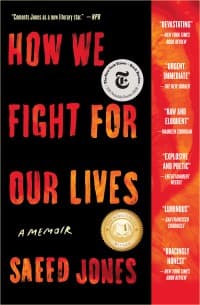
A first-person memoir of Saeed Jones' adolescence and young adulthood, focused on his efforts to find safety, desire, and selfhood as a young Black gay man in 1990s Texas.
Why it connectsShared: Identity.
Worth knowingIts fragmentary, image-forward structure may disorient readers who prefer a strictly chronological, plot-led life narrative.

A novel told through letters that follow a Black woman’s life in the American South across early adulthood, tracing how she survives sexual and domestic abuse, discovers personal voice, and finds connection with other women.
Why it connectsShared: Literary Fiction and Earnest.
Worth knowingReaders who avoid explicit accounts of sexual or domestic violence.
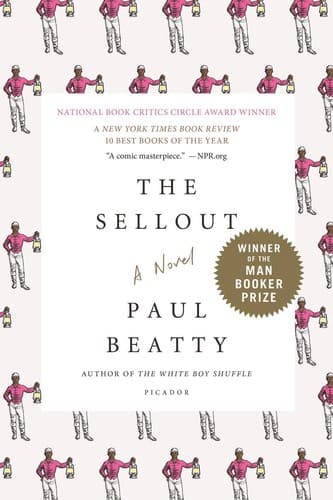
A first-person narrator from a small Black community near Los Angeles stands before the Supreme Court and reflects on the chain of incidents that led him there, including provocative attempts to respond to historic racial injustice in his hometown.
Why it connectsShared: First Person Narrator.
Worth knowingReaders seeking subtle, quiet treatments of racial themes may find the tone abrasive.
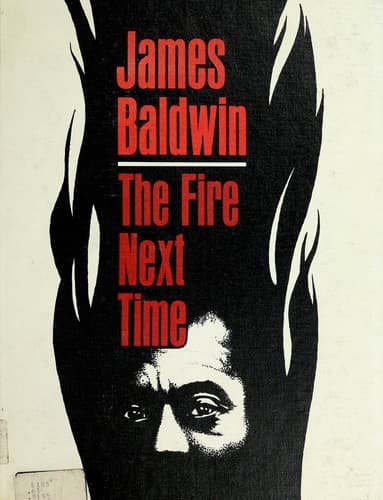
Two linked essays presented as letters that question the place of race and religion in American life.
Why it connectsShared: Identity and Earnest.
Worth knowingReaders expecting plot-driven or character-centered narrative.
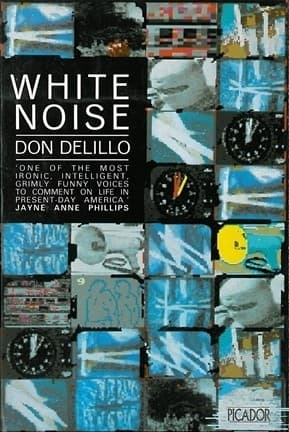
An academic family in the American Midwest navigates everyday routines, consumer culture, and family dynamics while an external technological/industrial threat forces questions about death, risk, and how people manage fear.
Why it connectsShared: Literary Fiction and Satirical.
Worth knowingReaders who prefer linear, plot-driven narratives.

Presented through a collage of documents, memoir excerpts, and alternate accounts, the novel orients on a secretive, immensely wealthy financier and the contested stories about him and his wife.
Why it connectsShared: Literary Fiction.
Worth knowingReaders seeking a linear, emotionally intimate family drama.
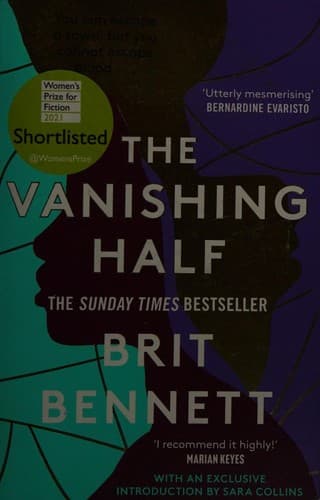
Two twin sisters from the same small town take divergent paths—one remaining close to home, the other leaving and living under a different racial identity—and the novel follows how that split shapes their lives, their families, and the next generation across decades.
Why it connectsShared: Literary Fiction and Identity.
Worth knowingThe multi-decade structure follows several lives, sometimes leaving one character just as another strand becomes absorbing.
.jpg%3Fwidth%3D700&w=3840&q=75)
Set in an imagined Antebellum United States, the novel follows Cora, an enslaved woman who flees a Georgia plantation via an Underground Railroad visualized as an actual subterranean railway.
Why it connectsShared: Literary Fiction.
Worth knowingReaders seeking light or escapist historical plots.
Richard Wright's Black Boy is a memoir of his childhood and early adulthood, following life in the segregated American South and his later move to Chicago where he begins a writing career and political engagement.
Why it connectsShared: Earnest.
Worth knowingReaders seeking plot-driven or fast-paced escapism.