

Set on Chicago's South Side in the 1930s, the novel follows Bigger Thomas, a young Black man shaped by crushing poverty and social isolation.
Why it connectsShared: Literary Fiction.
Worth knowingReaders seeking light or uplifting entertainment.
Book
Preparing this book and its discovery paths.
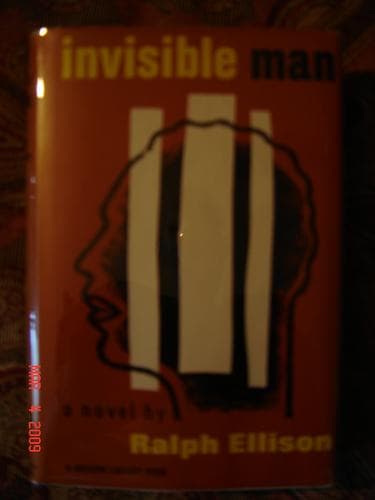
Gathering the strongest related paths from this book.
Set on Chicago's South Side in the 1930s, the novel follows Bigger Thomas, a young Black man shaped by crushing poverty and social isolation.
Why it connectsShared: Literary Fiction.
Worth knowingReaders seeking light or uplifting entertainment.
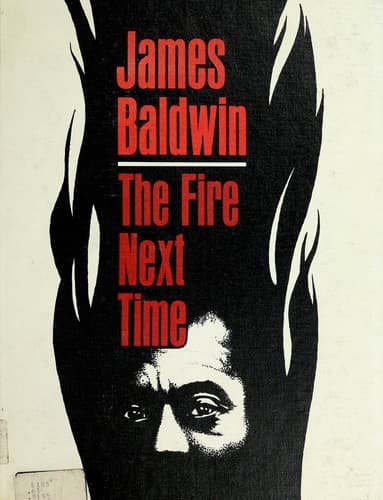
Two linked essays presented as letters that question the place of race and religion in American life.
Why it connectsShared: Identity and Earnest.
Worth knowingReaders expecting plot-driven or character-centered narrative.
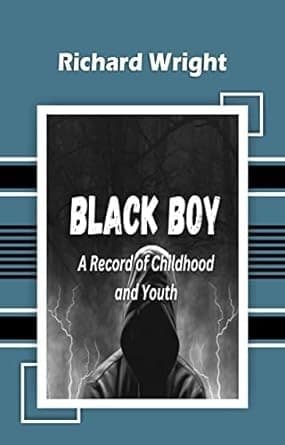
Richard Wright's Black Boy is a memoir of his childhood and early adulthood, following life in the segregated American South and his later move to Chicago where he begins a writing career and political engagement.
Why it connectsShared: Earnest.
Worth knowingReaders seeking plot-driven or fast-paced escapism.

A novel told through letters that follow a Black woman’s life in the American South across early adulthood, tracing how she survives sexual and domestic abuse, discovers personal voice, and finds connection with other women.
Why it connectsShared: Literary Fiction and Earnest.
Worth knowingReaders who avoid explicit accounts of sexual or domestic violence.
.png%3Fwidth%3D700&w=3840&q=75)
A formally inventive novel that stages an Asian American life through the language and beats of television scripts, focusing on how roles and stereotypes shape a character’s ambitions and relations.
Why it connectsShared: Literary Fiction, Identity, and Satirical.
Worth knowingReaders seeking conventional, deeply interior character arcs and extended psychological realism.
.jpg%3Fwidth%3D700&w=3840&q=75)
Set in an imagined Antebellum United States, the novel follows Cora, an enslaved woman who flees a Georgia plantation via an Underground Railroad visualized as an actual subterranean railway.
Why it connectsShared: Literary Fiction.
Worth knowingReaders seeking light or escapist historical plots.

A young woman in the early 1950s experiences an increasingly severe depression while navigating academic opportunity, social expectations, and the pressures of adulthood. The novel presents her interior perspective as she struggles with identity, career choices, and the medical responses to her mental illness.
Why it connectsShared: Literary Fiction and Identity.
Worth knowingReaders seeking fast-paced, plot-forward novels.
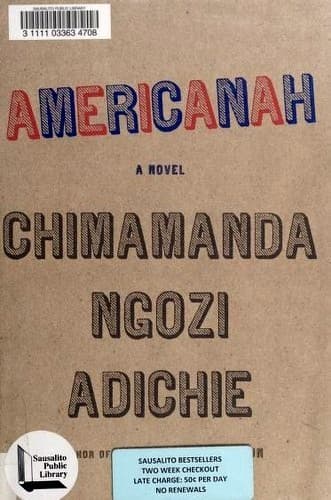
A young Nigerian woman leaves Lagos to study in the United States and must navigate new social categories, racial visibility, and evolving relationships across continents.
Why it connectsShared: Literary Fiction and Identity.
Worth knowingReaders seeking fast-paced, plot-heavy narratives.
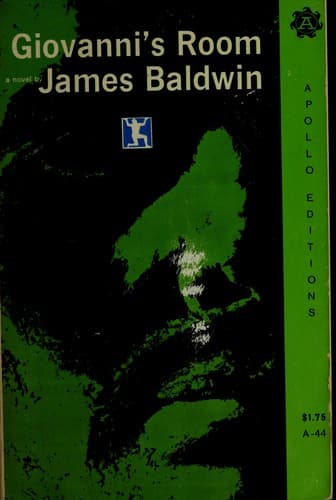
An American living in Paris confronts his feelings for another man while his fiancée is away, forcing him to face desire, social expectations, and his own self-image.
Why it connectsShared: Literary Fiction, Alienation, and Earnest.
Worth knowingReaders expecting a multi-perspective or plot-heavy story.
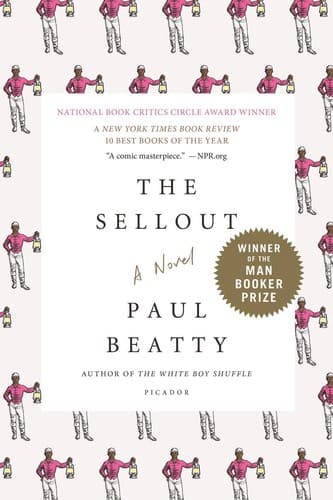
A first-person narrator from a small Black community near Los Angeles stands before the Supreme Court and reflects on the chain of incidents that led him there, including provocative attempts to respond to historic racial injustice in his hometown.
Why it connectsShared: First Person Narrator.
Worth knowingReaders seeking subtle, quiet treatments of racial themes may find the tone abrasive.
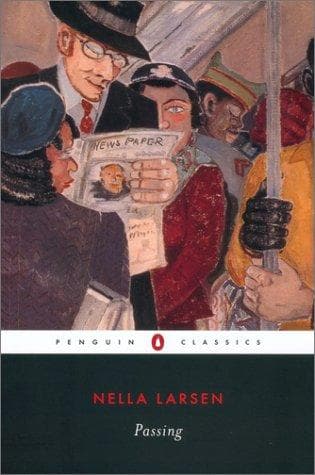
Set in 1920s Harlem, the novel follows two childhood friends whose reunion stirs fascination, rivalry, and moral danger when one woman passes as white. The central pressure comes from competing desires for safety, social standing, and intimacy within racially fraught social circles.
Why it connectsShared: Literary Fiction and Identity.
Worth knowingReaders wanting action-heavy or plot-driven stories may feel the pacing slow.
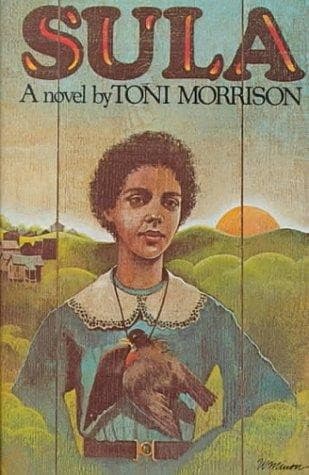
Two girls grow up together in a Black Ohio neighborhood and their friendship—shaped by class, family, and local expectations—becomes a lasting pressure that reshapes both their lives and the community around them.
Why it connectsShared: Literary Fiction.
Worth knowingReaders who prefer plot-heavy, continuously narrated stories.