

Set on Chicago's South Side in the 1930s, the novel follows Bigger Thomas, a young Black man shaped by crushing poverty and social isolation.
Why it connectsShared: Literary Fiction.
Worth knowingReaders seeking light or uplifting entertainment.
Book
Preparing this book and its discovery paths.
Gathering the strongest related paths from this book.
Set on Chicago's South Side in the 1930s, the novel follows Bigger Thomas, a young Black man shaped by crushing poverty and social isolation.
Why it connectsShared: Literary Fiction.
Worth knowingReaders seeking light or uplifting entertainment.
Told from the viewpoint of a returning World War II veteran, the novel follows his arrival in Los Angeles and the tense relationships he forms there while an external string of murders and police investigation encircle him.
Why it connectsSibyl sees a broader connection here, but not one precise enough to name.
Worth knowingReaders seeking clue-led whodunits or clear answers.
A first-person memoir of Saeed Jones' adolescence and young adulthood, focused on his efforts to find safety, desire, and selfhood as a young Black gay man in 1990s Texas.
Why it connectsShared: Identity.
Worth knowingIts fragmentary, image-forward structure may disorient readers who prefer a strictly chronological, plot-led life narrative.
Two contrasting societies — one organized around communal, anarchist principles and the other structured by more conventional hierarchy and market relations — come into contact.
Why it connectsShared: Political Ideology.
Worth knowingReaders wanting fast-paced, plot-driven space adventure.
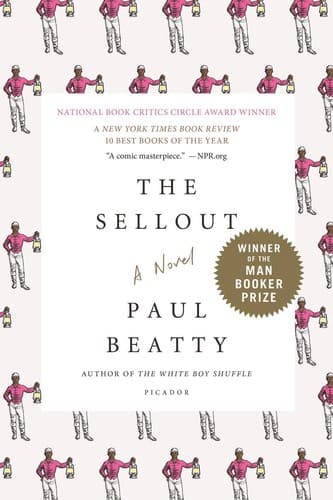
A first-person narrator from a small Black community near Los Angeles stands before the Supreme Court and reflects on the chain of incidents that led him there, including provocative attempts to respond to historic racial injustice in his hometown.
Why it connectsShared: First Person Narrator.
Worth knowingReaders seeking subtle, quiet treatments of racial themes may find the tone abrasive.

A novel told through letters that follow a Black woman’s life in the American South across early adulthood, tracing how she survives sexual and domestic abuse, discovers personal voice, and finds connection with other women.
Why it connectsShared: Literary Fiction and Earnest.
Worth knowingReaders who avoid explicit accounts of sexual or domestic violence.
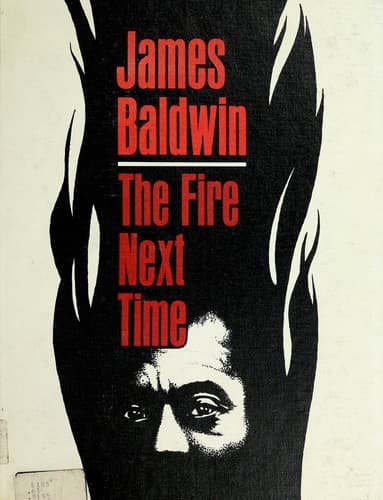
Two linked essays presented as letters that question the place of race and religion in American life.
Why it connectsShared: Identity and Earnest.
Worth knowingReaders expecting plot-driven or character-centered narrative.
.png%3Fwidth%3D700&w=3840&q=75)
A formally inventive novel that stages an Asian American life through the language and beats of television scripts, focusing on how roles and stereotypes shape a character’s ambitions and relations.
Why it connectsShared: Literary Fiction, Identity, and Satirical.
Worth knowingReaders seeking conventional, deeply interior character arcs and extended psychological realism.
.jpg%3Fwidth%3D700&w=3840&q=75)
Set in an imagined Antebellum United States, the novel follows Cora, an enslaved woman who flees a Georgia plantation via an Underground Railroad visualized as an actual subterranean railway.
Why it connectsShared: Literary Fiction.
Worth knowingReaders seeking light or escapist historical plots.
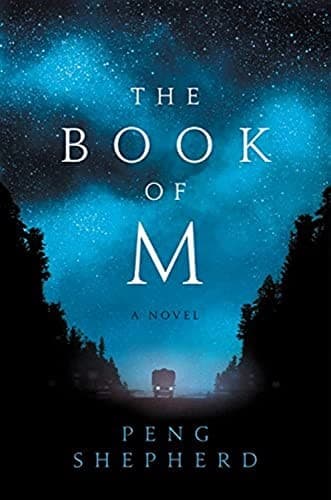
A speculative epidemic causes people to lose their shadows and, with them, memories and names; survivors must cope with erasing personal history while some exploit or hunt the newly nameless. The setup focuses on how memory failure reshapes relationships, social order, and survival choices in a collapsing world.
Why it connectsShared: Identity.
Worth knowingReaders wanting tightly explained science or complete worldbuilding answers.

A man with intellectual disability undergoes an experimental medical procedure intended to raise his intelligence, and the narrative records the aftermath through dated personal entries.
Why it connectsShared: Psychological Fiction, Identity, and Earnest.
Worth knowingMarked first-person journals track cognitive change and limit viewpoint variety.
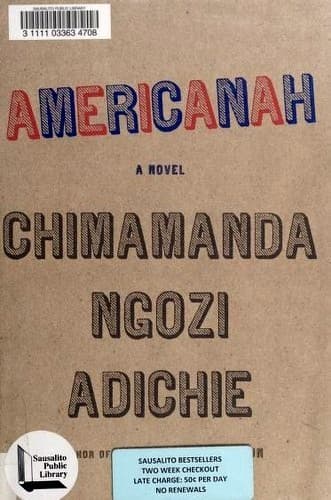
A young Nigerian woman leaves Lagos to study in the United States and must navigate new social categories, racial visibility, and evolving relationships across continents.
Why it connectsShared: Identity and Literary Fiction.
Worth knowingReaders seeking fast-paced, plot-heavy narratives.