Book
Loading book
Preparing this book and its discovery paths.
Book
Preparing this book and its discovery paths.
Reader fitReaders who enjoy accessible science writing that engages philosophy.
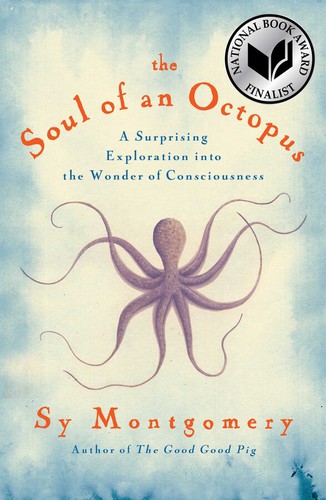
An investigation into nonhuman minds using cephalopods—especially octopuses—as a case study. The book links firsthand observations of animal behavior to evolutionary and philosophical discussion to consider how radically different nervous systems can produce intelligence and what that implies for theories of consciousness.
A running question keeps the pressure high: how do radically different bodies and nervous systems make minds? The author alternates concrete fieldnotes - encounters with cephalopods and behavioral detail - with concise philosophical framing and evolutionary history. Sentences tend toward clear, analytic exposition with occasional lyrical description of underwater scenes; chapters shift between natural-history anecdote and argument, so attention moves from observation to big-picture claims. Readers who like concept-driven science writing with some memoir elements will gain the most; specialists seeking technical neuroscience detail may find the treatment more conceptual than data-dense.
Themes:
Mood:
Pace:
Style:
Sibyl may earn a commission from some purchase links; Sibyl does not add a separate fee. As an Amazon Associate I earn from qualifying purchases.
Peter Godfrey-Smith is an Australian philosopher of science and writer, who is currently Professor of History and Philosophy of Science at the University of Sydney. He works primarily in philosophy of biology and philosophy of mind, and also has interests in general philosophy of science, pragmatism, and some parts of metaphysics and epistemology. Godfrey-Smith was elected to the American Philosophical Society in 2022.
Follow the book’s themes, texture, and reading experience into meaningfully related books.
Finding related books…
See all · More Like ThisNo public Stack includes Other Minds yet. Build a path for readers who should find it.