

Set on Chicago's South Side in the 1930s, the novel follows Bigger Thomas, a young Black man shaped by crushing poverty and social isolation.
Why it connectsShared: Race and Society.
Worth knowingReaders seeking light or uplifting entertainment.
Book
Preparing this book and its discovery paths.
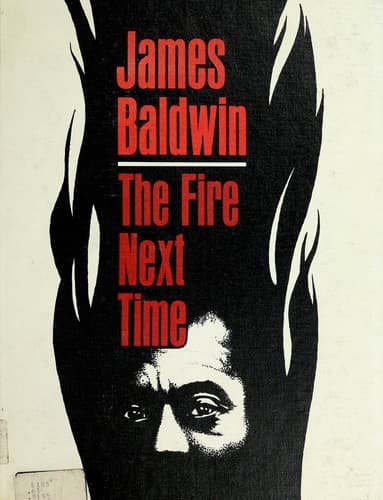
Gathering the strongest related paths from this book.
Set on Chicago's South Side in the 1930s, the novel follows Bigger Thomas, a young Black man shaped by crushing poverty and social isolation.
Why it connectsShared: Race and Society.
Worth knowingReaders seeking light or uplifting entertainment.
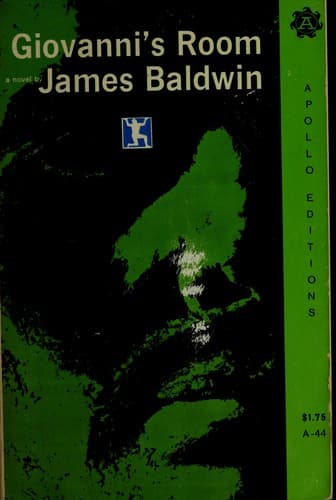
An American living in Paris confronts his feelings for another man while his fiancée is away, forcing him to face desire, social expectations, and his own self-image.
Why it connectsShared: Earnest.
Worth knowingReaders expecting a multi-perspective or plot-heavy story.
An unnamed Black narrator recounts his journey through segregated American life, encountering institutions, movements, and people that test his sense of self.
Why it connectsShared: Identity and Earnest.
Worth knowingThe episodic journey leans into speeches, symbolism, and surreal set pieces rather than tidy realism or quick resolution.
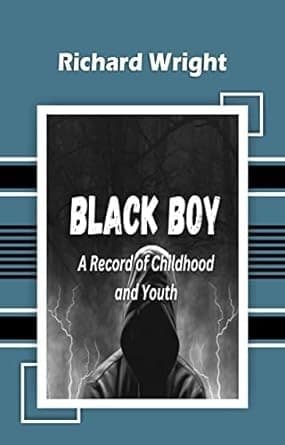
Richard Wright's Black Boy is a memoir of his childhood and early adulthood, following life in the segregated American South and his later move to Chicago where he begins a writing career and political engagement.
Why it connectsShared: Direct.
Worth knowingReaders seeking plot-driven or fast-paced escapism.
After a devastating nuclear war, American society has turned against modern science; rebuilding cities and technological expertise is banned and religious groups that opposed technology before the war now shape public life.
Why it connectsSibyl sees a broader connection here, but not one precise enough to name.
Worth knowingReaders seeking high-octane action or continuous suspense.
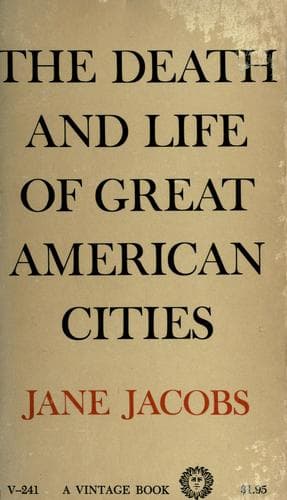
A critique of prevailing mid-20th-century urban planning that argues neighborhoods thrive when everyday street life, local commerce, and diverse uses are preserved.
Why it connectsSibyl sees a broader connection here, but not one precise enough to name.
Worth knowingThose seeking a brief, introductory textbook on urban theory.

A San Francisco private detective becomes tangled in a case that hinges on a coveted object and a series of killings. The narrative presents events from an external third-person viewpoint—reporting only actions, dialogue, and appearances—so the mystery and shifting loyalties carry the dramatic weight.
Why it connectsSibyl sees a broader connection here, but not one precise enough to name.
Worth knowingReaders who want intimate access to characters’ thoughts and feelings.

Set in late-colonial Nigeria, the novel follows Okonkwo, a powerful member of an Igbo clan, as local customs and personal codes confront outside forces and new beliefs.
Why it connectsShared: Direct.
Worth knowingReaders seeking experimental narrative forms or fragmented timelines.
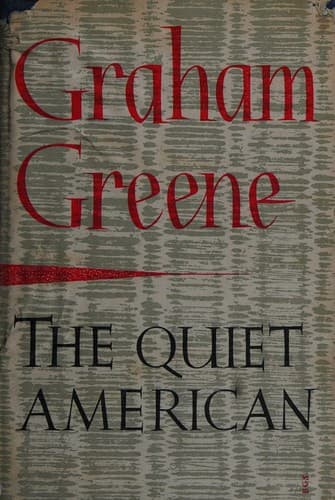
A first-person account by a British journalist in 1950s Vietnam focuses on his entanglement with an earnest young American and a Vietnamese woman, set against the collapse of French colonial rule and the rise of early U.S. involvement.
Why it connectsSibyl sees a broader connection here, but not one precise enough to name.
Worth knowingReaders wanting fast-paced plot or clear-cut heroes and villains.
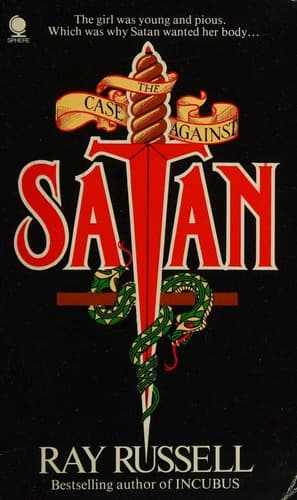
A novel that frames an alleged demonic possession as a matter for testing and judgment: characters confront religious belief, evidence, and moral responsibility as the question of Satan’s presence is treated almost legally.
Why it connectsShared: Moral Responsibility.
Worth knowingReaders looking for fast, graphic horror or frequent shocks.
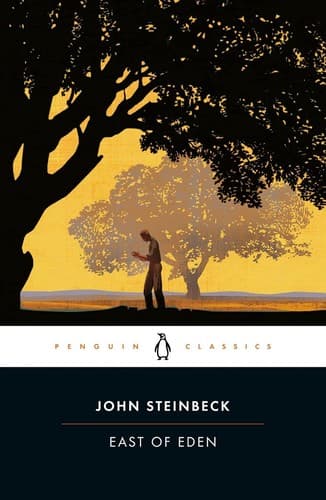
Set mainly in California's Salinas Valley, the novel follows interwoven lives across two families as sons, fathers, and neighbors grapple with choices that echo biblical themes of sibling rivalry and moral responsibility.
Why it connectsShared: Earnest.
Worth knowingThe generational sweep gives moral argument and family history as much space as incident, which can feel expansive rather than urgent.
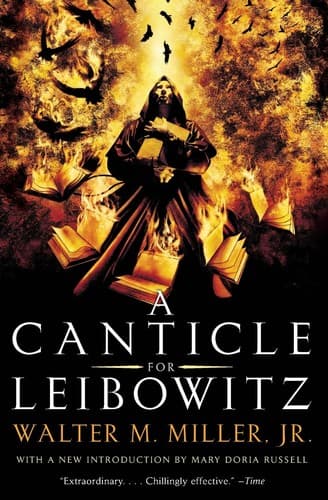
Set after a catastrophic nuclear war, the novel follows members of a Catholic monastery who preserve fragments of scientific knowledge while centuries pass and human societies slowly re-form.
Why it connectsSibyl sees a broader connection here, but not one precise enough to name.
Worth knowingReaders seeking fast-paced, plot-heavy thrillers.