

Set on Chicago's South Side in the 1930s, the novel follows Bigger Thomas, a young Black man shaped by crushing poverty and social isolation.
Why it connectsShared: Incendiary.
Worth knowingReaders seeking light or uplifting entertainment.
Book
Preparing this book and its discovery paths.
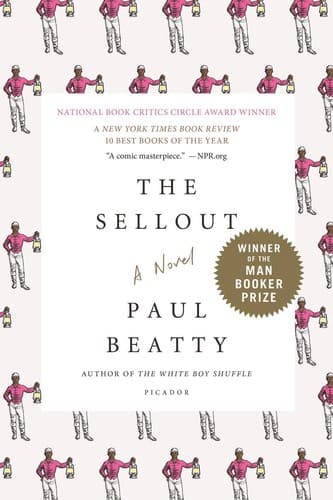
Gathering the strongest related paths from this book.
Set on Chicago's South Side in the 1930s, the novel follows Bigger Thomas, a young Black man shaped by crushing poverty and social isolation.
Why it connectsShared: Incendiary.
Worth knowingReaders seeking light or uplifting entertainment.
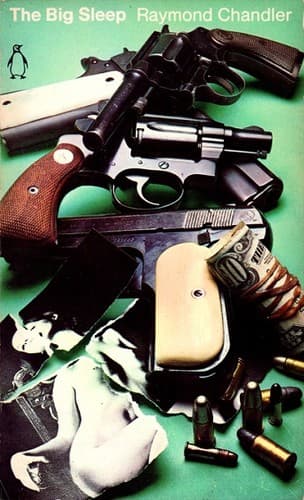
Philip Marlowe, a laconic private detective, is hired by an elderly wealthy client to look into a potentially embarrassing or criminal affair involving her family.
Why it connectsShared: Los Angeles Setting.
Worth knowingReaders wanting expansive interior psychology or slow, reflective passages.
.jpg%3Fwidth%3D700&w=3840&q=75)
Set in a near-future America broken by economic collapse, climate effects, and violence, the novel follows Lauren Olamina, a young woman who records her experiences and develops a practical belief system called Earthseed.
Why it connectsSibyl sees a broader connection here, but not one precise enough to name.
Worth knowingReaders looking for a slow, introspective family saga without overt ideological argument.
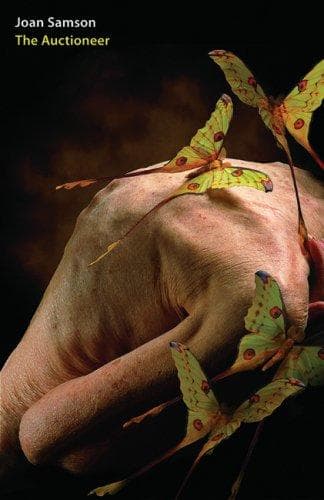
Set in a farming community, the novel follows how the arrival or actions of a persuasive auctioneer alters local social bonds and everyday life. The central pressure comes from interpersonal influence, suspicion, and the erosion of trust among neighbors.
Why it connectsSibyl sees a broader connection here, but not one precise enough to name.
Worth knowingThe novel builds dread through a community's gradual surrender to coercion, with repetition and social pressure taking precedence over rapid thriller turns.
An unnamed Black narrator recounts his journey through segregated American life, encountering institutions, movements, and people that test his sense of self.
Why it connectsShared: First Person Narrator.
Worth knowingThe episodic journey leans into speeches, symbolism, and surreal set pieces rather than tidy realism or quick resolution.

A contemporary Black woman living in 1970s Los Angeles is repeatedly pulled back in time to a Maryland plantation in the early 19th century, where she encounters ancestors and must navigate slavery's social and moral realities to survive and return to her own time.
Why it connectsShared: First Person Narrator and Race and Identity.
Worth knowingThose who avoid sustained depictions of physical and racial violence.
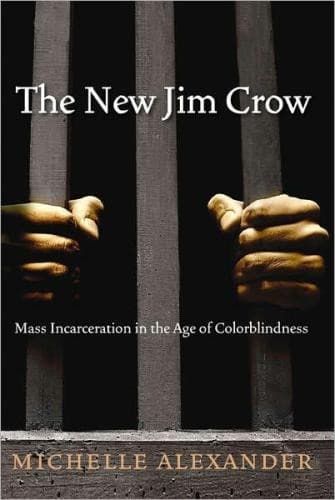
Michelle Alexander argues that mass incarceration in the United States operates as a contemporary racial caste system—what she terms the "New Jim Crow."
Why it connectsSibyl sees a broader connection here, but not one precise enough to name.
Worth knowingThose preferring narrative-driven, character-focused nonfiction.
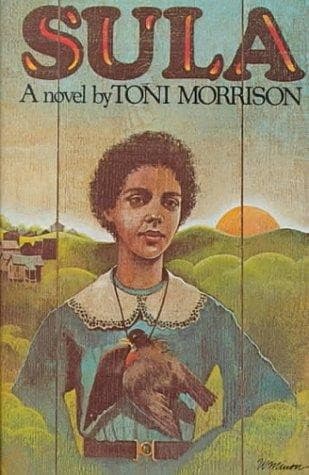
Two girls grow up together in a Black Ohio neighborhood and their friendship—shaped by class, family, and local expectations—becomes a lasting pressure that reshapes both their lives and the community around them.
Why it connectsSibyl sees a broader connection here, but not one precise enough to name.
Worth knowingReaders who prefer plot-heavy, continuously narrated stories.

Set at a small, elite liberal-arts college, the novel follows a tight group of Classics students whose scholarly intensity and social isolation lead to a violent rupture.
Why it connectsShared: First Person Narrator.
Worth knowingReaders seeking fast-paced, clue-driven detective plots.

An aging Midwestern couple prepares for a final family Christmas while their three adult children, each entangled in personal and professional crises, converge around longstanding resentments and private failures.
Why it connectsShared: Contemporary Literary Fiction and Acerbic.
Worth knowingLong domestic scenes dwell on each family member's self-deception; anyone after constant external action may find the accumulation slow.
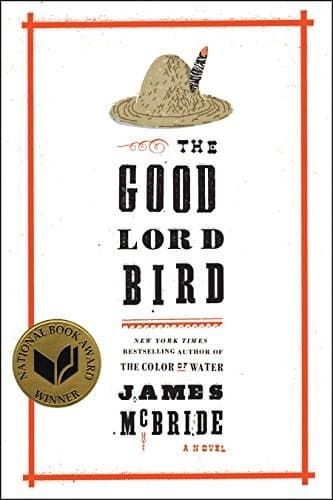
Set in the violent 1850s, the novel follows Henry Shackleford, a young enslaved boy who becomes involved with abolitionist John Brown.
Why it connectsShared: Race and Identity.
Worth knowingReaders who prefer strictly realistic or minimalist historical fiction.
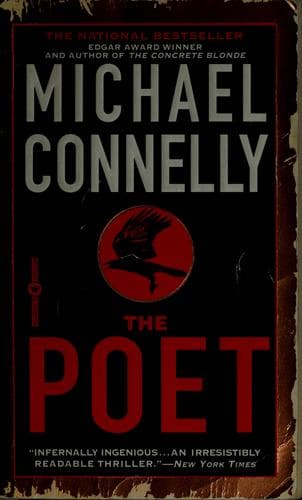
A crime reporter becomes personally entangled when a close relative's death points to a pattern of murders; he pursues leads that connect newsroom sleuthing to federal investigations.
Why it connectsSibyl sees a broader connection here, but not one precise enough to name.
Worth knowingReaders wanting lyrical, character-first literary fiction.