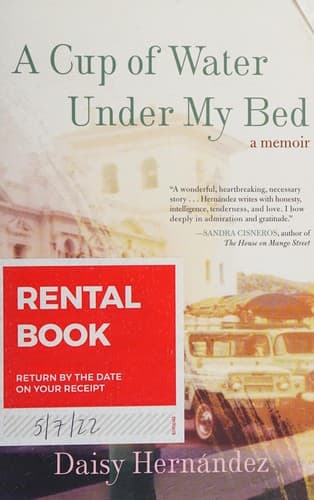
A Cup of Water Under My Bed is a memoir in linked essays about growing up Colombian–Cuban in a working-class immigrant family.
Why it connectsShared: Memoir and Observant.
Worth knowingReaders seeking a strictly chronological life narrative.
Book
Preparing this book and its discovery paths.
Gathering the strongest related paths from this book.
A Cup of Water Under My Bed is a memoir in linked essays about growing up Colombian–Cuban in a working-class immigrant family.
Why it connectsShared: Memoir and Observant.
Worth knowingReaders seeking a strictly chronological life narrative.
A first-person memoir of Saeed Jones' adolescence and young adulthood, focused on his efforts to find safety, desire, and selfhood as a young Black gay man in 1990s Texas.
Why it connectsShared: Memoir.
Worth knowingIts fragmentary, image-forward structure may disorient readers who prefer a strictly chronological, plot-led life narrative.
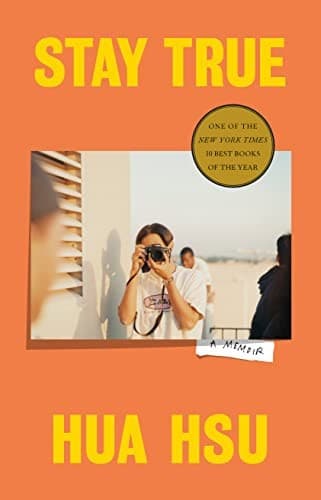
A compact memoir in essay form that traces the author's coming-of-age moments, friendships, and cultural touchstones while reflecting on identity and belonging.
Why it connectsShared: Earnest and Memoir.
Worth knowingReaders wanting a comprehensive, chronological life story.
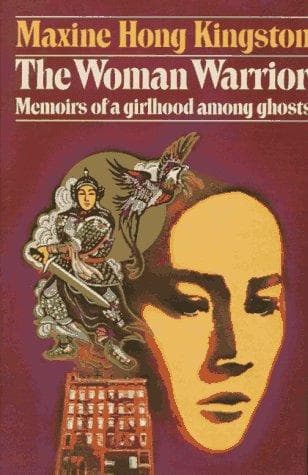
A first-person account of growing up between Chinese folktales and American life, where family history and mythic stories intertwine with recollections of childhood.
Why it connectsShared: Memoir.
Worth knowingReaders wanting a linear, plot-forward narrative.
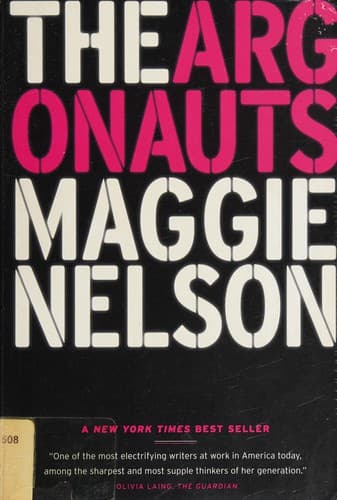
A first-person, essayistic account that traces an author's experiences around pregnancy, partnership, and family while weaving in philosophical and theoretical reflections. The work observes intimate domestic moments alongside questions about gender, identity, and what it means to make a family in contemporary life.
Why it connectsShared: Memoir.
Worth knowingReaders seeking linear, plot-focused narratives or traditional chronological memoirs.
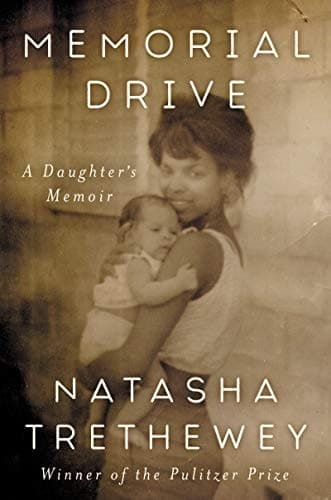
A poet-turned-memoirist looks closely at the death of her mother and the aftermath for the daughter left to piece together memory, legal facts, and family history.
Why it connectsShared: Memoir.
Worth knowingReaders seeking a broad, systemic history of domestic violence rather than a personal account.
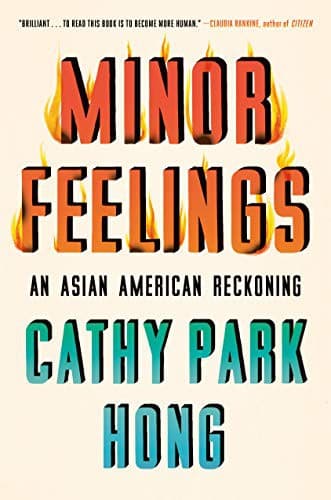
A linked essay collection blending memoir and criticism in which the author uses personal anecdotes, cultural analysis, and literary reflection to name and look closely at 'minor feelings'—ambivalent, often-dismissed emotions that arise from living as an Asian American in the United States.
Why it connectsShared: Memoir.
Worth knowingThose wanting a neutral, academic survey of Asian American history rather than personal argument.

A first-person memoir about a First Nation woman's passage through a troubled childhood, early and fraught motherhood, and ongoing struggles with mental health and identity. The narrative pieces together memory, family history, and personal reflection to show how past trauma informs present life and relationships.
Why it connectsShared: Memoir.
Worth knowingReaders wanting a straightforward, chronological life story with exhaustive background detail.
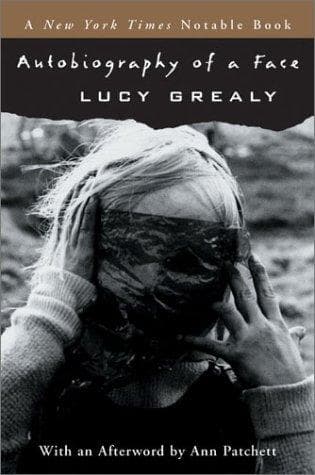
Lucy Grealy recounts her life before and after a childhood diagnosis of Ewing's sarcoma, describing the medical treatments that altered her face and the social and emotional consequences that followed.
Why it connectsShared: Memoir.
Worth knowingReaders wanting fast-paced narratives or plot-driven storytelling.
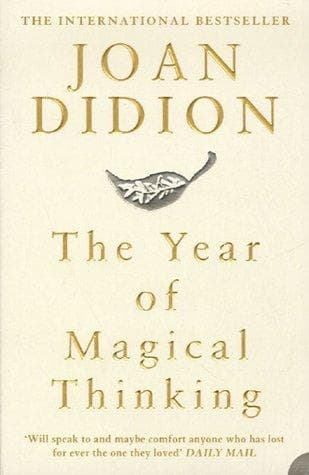
A first-person account of the year after Joan Didion's husband died, recording the small, persistent thoughts and rituals that accompany sudden bereavement. The narrative tracks how memory, habit, and formal thinking shape a surviving spouse’s attempt to understand loss and the quotidian aftermath of grief.
Why it connectsShared: Memoir.
Worth knowingReaders looking for plot-driven or plot-resolving narratives.