
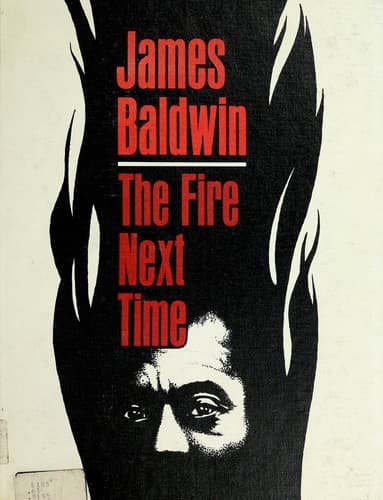
Two linked essays presented as letters that question the place of race and religion in American life.
Why it connectsShared: First Person Address, Essay, and Race.
Worth knowingReaders expecting plot-driven or character-centered narrative.
Book
Preparing this book and its discovery paths.
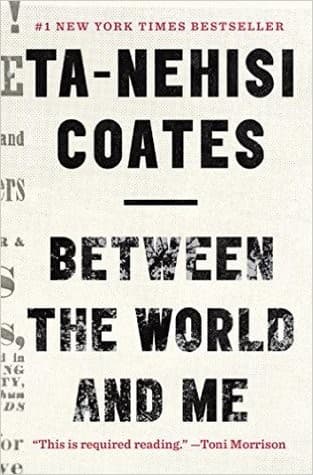
Gathering the strongest related paths from this book.
Two linked essays presented as letters that question the place of race and religion in American life.
Why it connectsShared: First Person Address, Essay, and Race.
Worth knowingReaders expecting plot-driven or character-centered narrative.
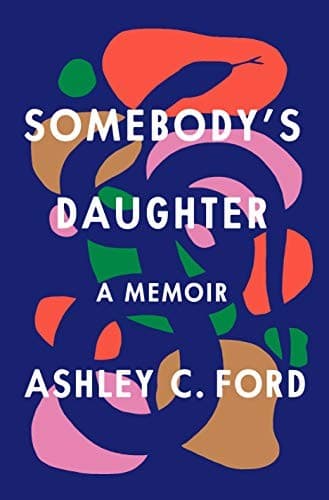
A first-person memoir that follows the author's experience growing up as the child of an incarcerated parent and the personal consequences that unfolded in family life, identity, and adulthood. The book situates intimate recollection alongside social context to reckon with shame, longing, and the search for belonging.
Why it connectsShared: Race, Memoir, and Intimate.
Worth knowingReaders wanting a policy-focused or academic treatment of incarceration.

A middle-class African-American husband and father who has long believed he once cheated death faces renewed danger when his family becomes the target of racist threats. As external menace grows, his mental stability frays and supernatural phenomena begin to blur the line between waking life and the world of the dead.
Why it connectsShared: Intimate.
Worth knowingReaders seeking fast, plot-driven horror with tidy resolutions.
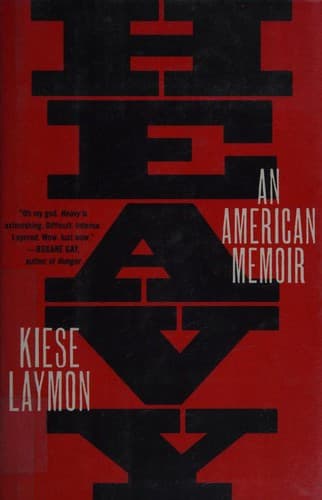
A first-person memoir in which the author confronts his upbringing, family relationships, and struggles with body weight and compulsive behaviors while placing those personal troubles against broader questions of race, responsibility, and belonging.
Why it connectsShared: Memoir and Intimate.
Worth knowingReaders seeking a strictly chronological or heavily researched life history.
.png%3Fwidth%3D700&w=3840&q=75)
Set against the realities of a mid-20th-century reform school in the American South, the novel follows young boys who confront daily physical and moral violence inside a state institution.
Why it connectsShared: Institutional Violence.
Worth knowingReaders seeking light or escapist entertainment.
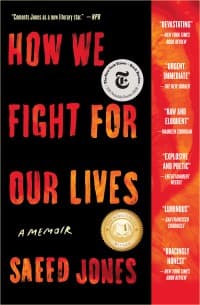
A first-person memoir of Saeed Jones' adolescence and young adulthood, focused on his efforts to find safety, desire, and selfhood as a young Black gay man in 1990s Texas.
Why it connectsShared: Memory, Memoir, and Incisive.
Worth knowingIts fragmentary, image-forward structure may disorient readers who prefer a strictly chronological, plot-led life narrative.
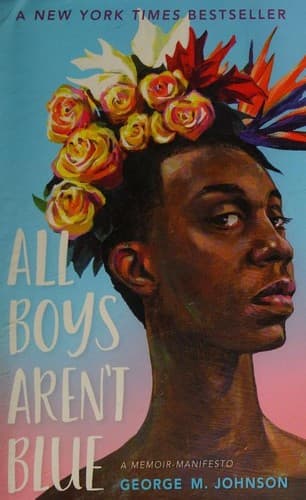
A series of personal essays by George M. Johnson that trace growing up as a Black queer youth in the U.S., linking autobiographical scenes to direct address to younger Black queer readers.
Why it connectsShared: Memoir and Identity.
Worth knowingReaders wanting purely literary experimentation or oblique, symbolic storytelling.
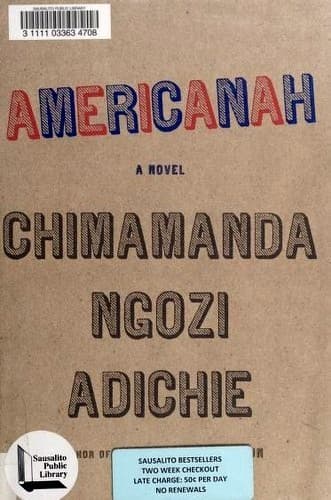
A young Nigerian woman leaves Lagos to study in the United States and must navigate new social categories, racial visibility, and evolving relationships across continents.
Why it connectsShared: Identity and Intimate.
Worth knowingReaders seeking fast-paced, plot-heavy narratives.
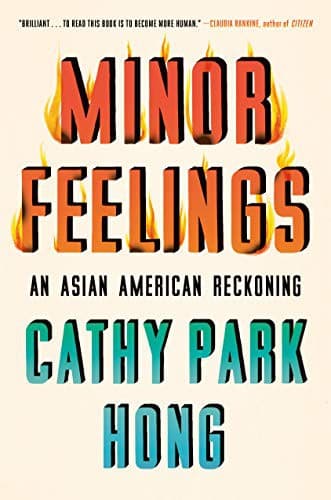
A linked essay collection blending memoir and criticism in which the author uses personal anecdotes, cultural analysis, and literary reflection to name and look closely at 'minor feelings'—ambivalent, often-dismissed emotions that arise from living as an Asian American in the United States.
Why it connectsShared: Memoir.
Worth knowingThose wanting a neutral, academic survey of Asian American history rather than personal argument.
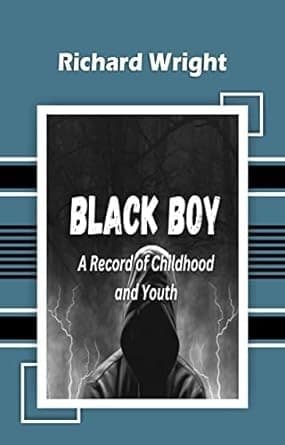
Richard Wright's Black Boy is a memoir of his childhood and early adulthood, following life in the segregated American South and his later move to Chicago where he begins a writing career and political engagement.
Why it connectsShared: Earnest and Memoir.
Worth knowingReaders seeking plot-driven or fast-paced escapism.
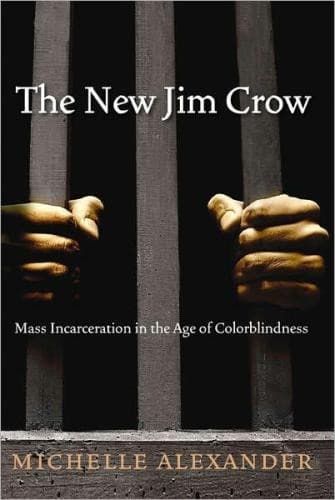
Michelle Alexander argues that mass incarceration in the United States operates as a contemporary racial caste system—what she terms the "New Jim Crow."
Why it connectsSibyl sees a broader connection here, but not one precise enough to name.
Worth knowingThose preferring narrative-driven, character-focused nonfiction.
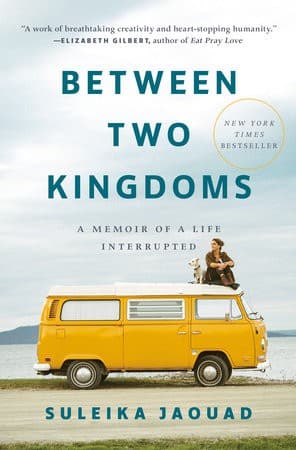
A first-person account by Suleika Jaouad of surviving serious illness and the aftermath, tracking the author's time as a patient and the challenges of rebuilding life afterward. The book situates medical experience within social and psychological questions about identity, belonging, and self-recovery.
Why it connectsShared: Memoir.
Worth knowingReaders seeking experimental structure or fictionalized storytelling.