

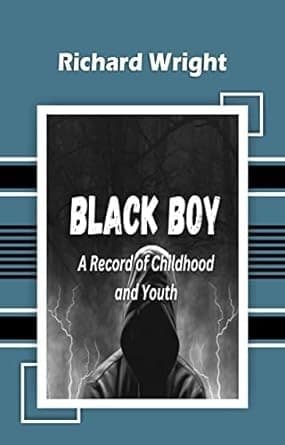
Set on Chicago's South Side in the 1930s, the novel follows Bigger Thomas, a young Black man shaped by crushing poverty and social isolation.
Why it connectsShared: Racial Injustice.
Worth knowingReaders seeking light or uplifting entertainment.
Book
Preparing this book and its discovery paths.
Gathering the strongest related paths from this book.
Set on Chicago's South Side in the 1930s, the novel follows Bigger Thomas, a young Black man shaped by crushing poverty and social isolation.
Why it connectsShared: Racial Injustice.
Worth knowingReaders seeking light or uplifting entertainment.
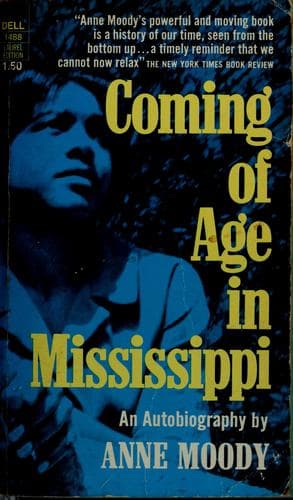
A firsthand memoir of growing up Black and poor in mid-20th-century rural Mississippi, following the author's life from childhood into her twenties.
Why it connectsShared: First Person Memoir, Memoir, and Racial Injustice.
Worth knowingReaders looking for interpretive historical analysis rather than personal testimony.
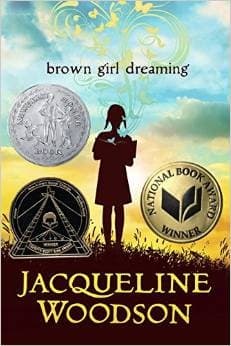
Jacqueline Woodson's Brown Girl Dreaming is a verse memoir that records her early childhood and adolescent memories growing up African American in the 1960s.
Why it connectsShared: Episodic Structure, Coming of Age, and Memoir.
Worth knowingReaders expecting a conventional, plot-driven memoir with full historical exposition.
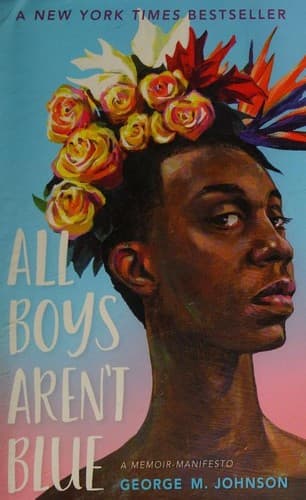
A series of personal essays by George M. Johnson that trace growing up as a Black queer youth in the U.S., linking autobiographical scenes to direct address to younger Black queer readers.
Why it connectsShared: Coming of Age and Memoir.
Worth knowingReaders wanting purely literary experimentation or oblique, symbolic storytelling.
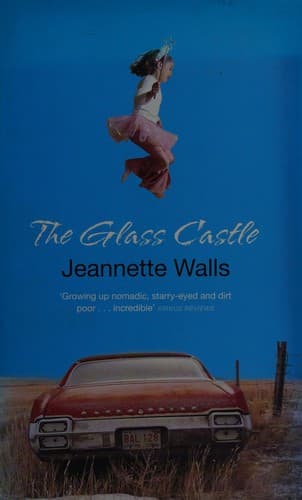
A memoir of a childhood spent in unstable, often impoverished circumstances, told from the author's adult vantage. The account focuses on a family marked by vivid highs and dangerous lows: parental idealism and promises alongside episodes of neglect and homelessness.
Why it connectsShared: First Person Memoir, Coming of Age, and Memoir.
Worth knowingReaders who avoid accounts of childhood neglect, alcoholism, or homelessness.
.png%3Fwidth%3D700&w=3840&q=75)
Set against the realities of a mid-20th-century reform school in the American South, the novel follows young boys who confront daily physical and moral violence inside a state institution.
Why it connectsShared: Racial Injustice and Coming of Age.
Worth knowingReaders seeking light or escapist entertainment.
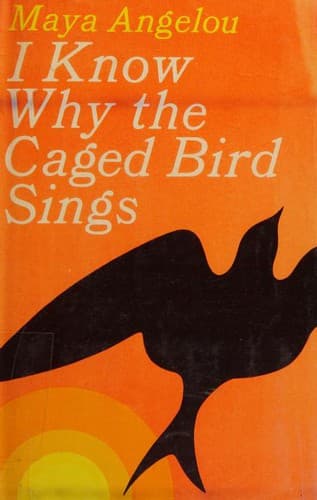
A first-volume autobiographical account of Maya Angelou’s early life, following her from early childhood in Stamps, Arkansas, through adolescence and into young motherhood. The narrative traces how encounters with racism, personal trauma, and steady literary influences shape her sense of self and dignity.
Why it connectsShared: First Person Memoir, Coming of Age, and Memoir.
Worth knowingReaders seeking strictly chronological, event-heavy autobiographies.
A first-person memoir of Saeed Jones' adolescence and young adulthood, focused on his efforts to find safety, desire, and selfhood as a young Black gay man in 1990s Texas.
Why it connectsShared: First Person Memoir, Memoir, and Coming of Age.
Worth knowingIts fragmentary, image-forward structure may disorient readers who prefer a strictly chronological, plot-led life narrative.
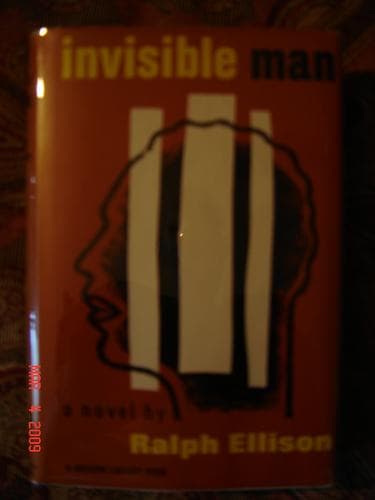
An unnamed Black narrator recounts his journey through segregated American life, encountering institutions, movements, and people that test his sense of self.
Why it connectsShared: Earnest.
Worth knowingThe episodic journey leans into speeches, symbolism, and surreal set pieces rather than tidy realism or quick resolution.
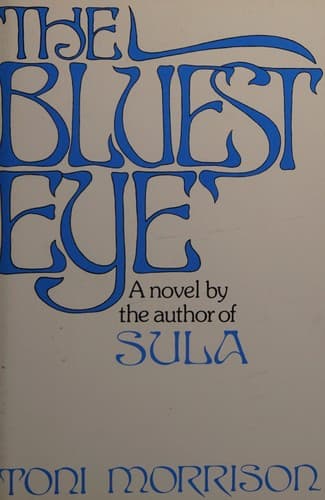
Set in a Midwestern town during the Depression era, the novel follows a young Black girl who internalizes local and cultural standards of beauty and longs for blue eyes as a way to be seen as lovable.
Why it connectsShared: Coming of Age.
Worth knowingReaders seeking upbeat or plot-driven entertainment.
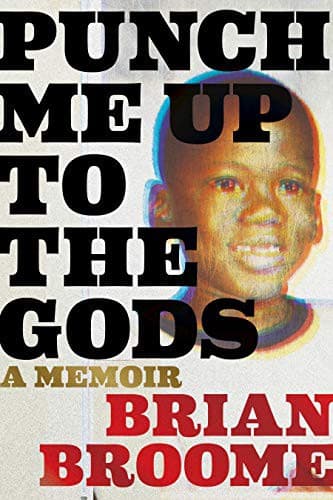
A first-person memoir about growing up Black and queer in rural Ohio, charting the author's struggles with family conflict, physical violence, and the search for an affirmed sense of manhood.
Why it connectsShared: Episodic Structure and Memoir.
Worth knowingReaders who avoid intense accounts of physical or emotional violence.
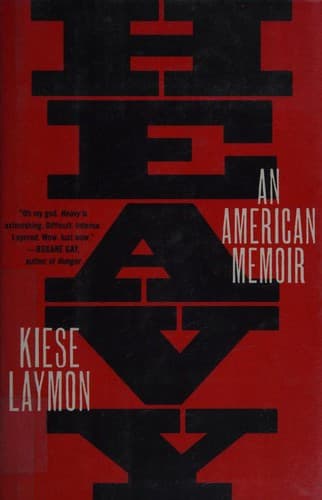
A first-person memoir in which the author confronts his upbringing, family relationships, and struggles with body weight and compulsive behaviors while placing those personal troubles against broader questions of race, responsibility, and belonging.
Why it connectsShared: First Person Memoir and Memoir.
Worth knowingReaders seeking a strictly chronological or heavily researched life history.