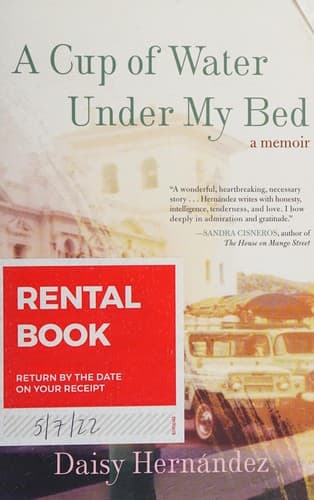
A Cup of Water Under My Bed is a memoir in linked essays about growing up Colombian–Cuban in a working-class immigrant family.
Why it connectsShared: Candid and Memoir.
Worth knowingReaders seeking a strictly chronological life narrative.
Book
Preparing this book and its discovery paths.

Gathering the strongest related paths from this book.
A Cup of Water Under My Bed is a memoir in linked essays about growing up Colombian–Cuban in a working-class immigrant family.
Why it connectsShared: Candid and Memoir.
Worth knowingReaders seeking a strictly chronological life narrative.
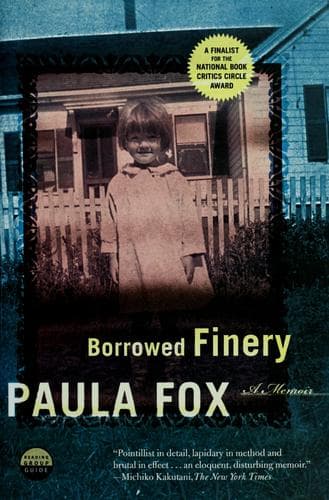
A biographical memoir by Paula Fox that collects memories and impressions from her early life and career as an American novelist. The book orients around formative childhood experiences and episodes from a writer’s life, using anecdote and recollection to sketch how personal history shaped a literary trajectory.
Why it connectsShared: Memoir and Memory.
Worth knowingThose who want a fast-paced, plot-driven narrative.
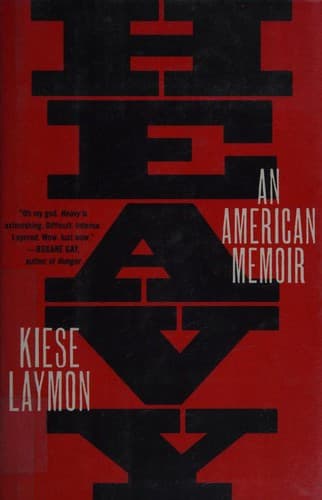
A first-person memoir in which the author confronts his upbringing, family relationships, and struggles with body weight and compulsive behaviors while placing those personal troubles against broader questions of race, responsibility, and belonging.
Why it connectsShared: First Person Memoir, Memoir, and Candid.
Worth knowingReaders seeking a strictly chronological or heavily researched life history.
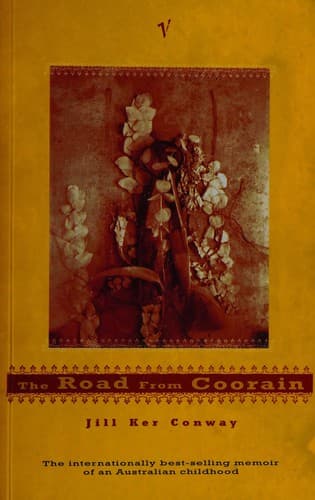
Jill Ker Conway recounts her childhood on a vast sheep station in western New South Wales and the disruptions—most notably drought and her father's death—that forced her family to leave for Sydney.
Why it connectsShared: Episodic Scenes, Memoir, and Coming of Age.
Worth knowingReaders seeking fast-paced narrative or dramatic plot twists.

A linked set of personal vignettes about Chinese immigrant mothers and their American-born daughters, arranged in distinct sections that echo a mahjong game's structure.
Why it connectsShared: Melancholic.
Worth knowingReaders seeking a fast, plot-forward novel or clear linear thriller.
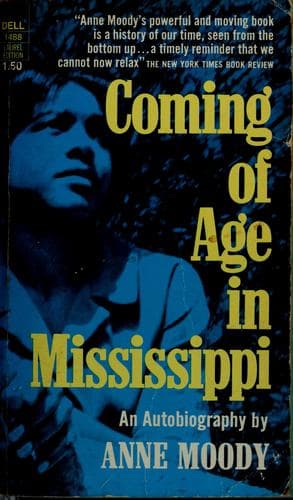
A firsthand memoir of growing up Black and poor in mid-20th-century rural Mississippi, following the author's life from childhood into her twenties.
Why it connectsShared: First Person Memoir, Memoir, and Coming of Age.
Worth knowingReaders looking for interpretive historical analysis rather than personal testimony.

A first-person memoir tracing the author's journey from an abusive childhood through competitive swimming, substance use, and sexual exploration toward eventual stability in adult life.
Why it connectsShared: First Person Memoir, Memoir, and Coming of Age.
Worth knowingReaders who prefer tidy, chronological life narratives.
A first-person memoir of Saeed Jones' adolescence and young adulthood, focused on his efforts to find safety, desire, and selfhood as a young Black gay man in 1990s Texas.
Why it connectsShared: First Person Memoir, Coming of Age, and Memoir.
Worth knowingIts fragmentary, image-forward structure may disorient readers who prefer a strictly chronological, plot-led life narrative.
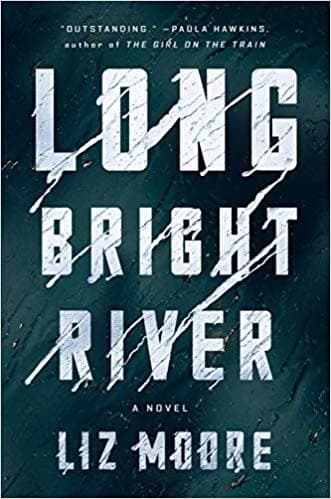
A Philadelphia patrol officer working in a struggling neighborhood pursues a string of murders while also searching for her own missing sister.
Why it connectsSibyl sees a broader connection here, but not one precise enough to name.
Worth knowingFans of fast-paced, plot-driven thrillers expecting constant twists.
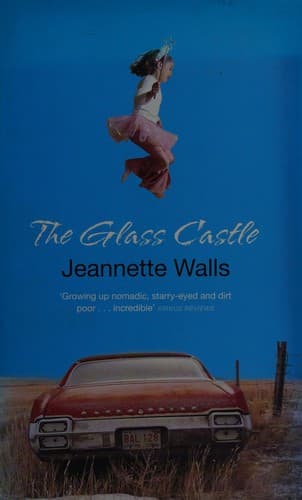
A memoir of a childhood spent in unstable, often impoverished circumstances, told from the author's adult vantage. The account focuses on a family marked by vivid highs and dangerous lows: parental idealism and promises alongside episodes of neglect and homelessness.
Why it connectsShared: First Person Memoir, Memory, and Memoir.
Worth knowingReaders who avoid accounts of childhood neglect, alcoholism, or homelessness.
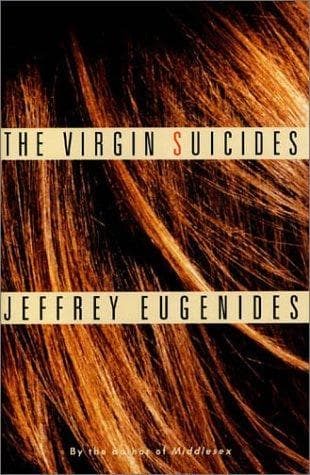
An anonymous group of neighborhood boys recall and try to explain the lives and deaths of five Lisbon sisters in a 1970s Midwestern suburb. The account pieces together small scenes, neighborhood detail, and collective memory to track how ordinary suburban rhythms intersect with profound loss.
Why it connectsShared: Memory.
Worth knowingElliptical, fragmentary chapters prioritize mood and withhold clear answers.
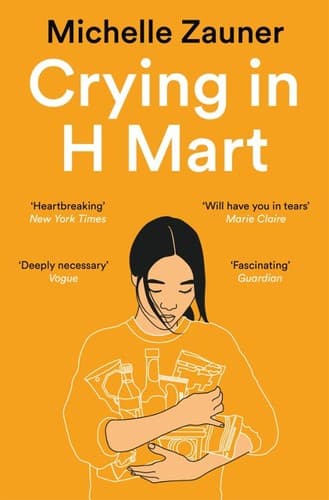
A personal memoir about the author's relationship with her mother and how food—especially shopping and cooking at a Korean grocery—carries memory and cultural connection.
Why it connectsShared: First Person Memoir, Memoir, and Memory.
Worth knowingReaders wanting a plot-driven or investigative narrative.