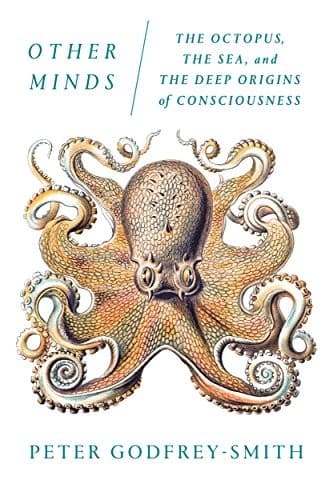
An investigation into nonhuman minds using cephalopods—especially octopuses—as a case study.
Why it connectsShared: Science and Engaged.
Worth knowingReaders seeking dense, technical neuroscience or lab protocols.
Book
Preparing this book and its discovery paths.
Gathering the strongest related paths from this book.
An investigation into nonhuman minds using cephalopods—especially octopuses—as a case study.
Why it connectsShared: Science and Engaged.
Worth knowingReaders seeking dense, technical neuroscience or lab protocols.
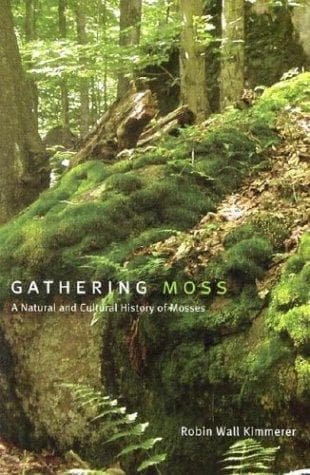
A collection of reflective natural-history essays focused on mosses and their place in forest ecosystems. The book links careful field observation of bryophytes to explanations of their biology and roles in plant ecology, while connecting those details to cultural and life-history perspectives about plants.
Why it connectsShared: Episodic Chapters, Natural History, and Field Observation.
Worth knowingThose wanting a technical, reference-style botany textbook.
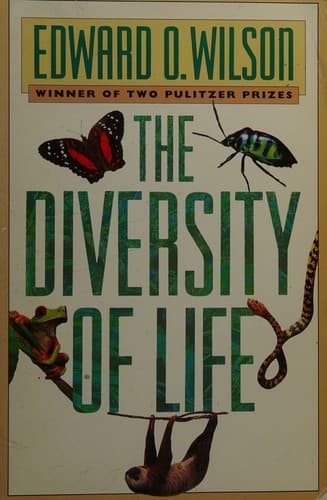
A scientist's wide-angle account of how species have originated, diversified, and occupied Earth’s ecosystems, paired with a diagnosis of contemporary biodiversity decline.
Why it connectsShared: Natural History and Measured.
Worth knowingReaders seeking brief, anecdote-driven nature writing or travelogues.
An expansive non-fiction survey of the ocean that traces its origins, physical processes, and living systems while explaining scientific findings in accessible, often lyrical language.
Why it connectsShared: Popular Science and Measured.
Worth knowingReaders seeking the latest, technical oceanography research.
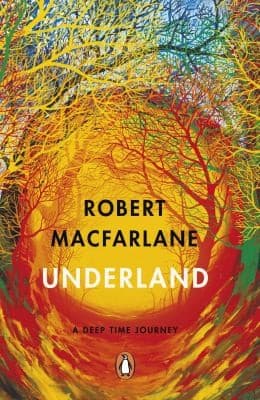
A sequence of exploratory trips beneath landscapes — caves, catacombs, glacial moulins and other underground sites — that probe how subterranean spaces hold memory, burial, and signs of human activity across deep time.
Why it connectsShared: Inquisitive.
Worth knowingThose wanting fast-paced, plot-driven nonfiction.
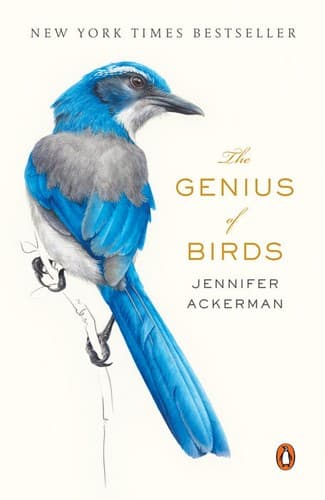
This nonfiction work surveys evidence for complex learning, problem-solving, and memory in birds by following field observations and laboratory studies across species.
Why it connectsShared: Episodic Chapters and Popular Science.
Worth knowingThose wanting full technical methods, statistics, or exhaustive literature reviews.
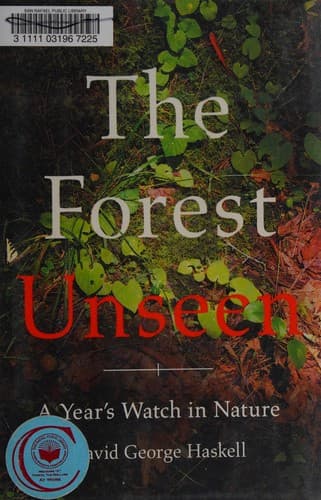
A yearlong, site-specific study of a single patch of old-growth forest: the author records regular close observations across seasons and links those moments to ecological facts and reflective thought.
Why it connectsShared: Natural History and Measured.
Worth knowingReaders seeking fast-paced storytelling or plot-driven structure.
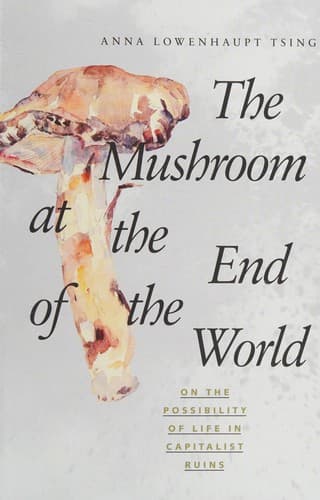
An ethnographic study of matsutake mushrooms and the people and places shaped by their global trade. The author follows harvesters, middlemen, buyers, and landscapes to show how a single wild commodity links local ecological disturbance, precarious livelihoods, and transnational markets.
Why it connectsShared: Measured.
Worth knowingReaders seeking a narrowly focused academic treatise with dense empirical tables.
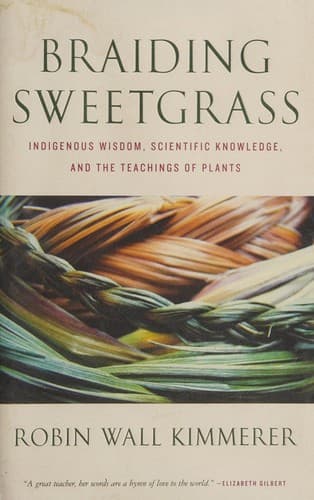
An interdisciplinary nonfiction collection that interweaves Indigenous wisdom, ecological science, and personal memoir to reconsider how humans relate to plants and land.
Why it connectsSibyl sees a broader connection here, but not one precise enough to name.
Worth knowingReaders seeking fast-paced narrative or conventional scientific textbook structure.
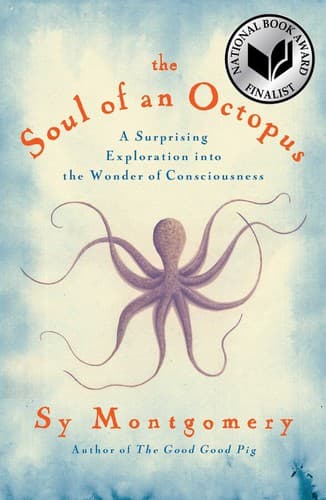
A firsthand account of encounters with octopuses that uses field observation and scientific context to investigate octopus behavior and signs of consciousness. The book links specific animal interactions to accessible explanations from marine biology to consider how octopuses think, sense, and relate to humans.
Why it connectsShared: Episodic Chapters and Popular Science.
Worth knowingReaders seeking exhaustive laboratory data, dense methodology, or technical marine biology.
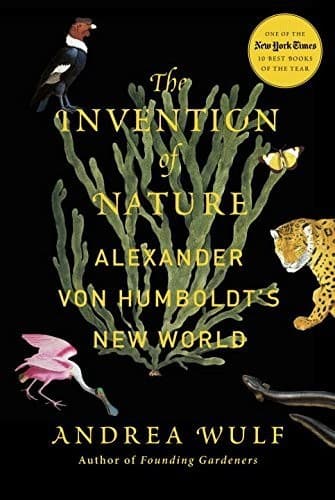
A detailed biography of Alexander von Humboldt that follows his formative years, major expeditions—especially in Latin America—and his intellectual effort to present nature as an interconnected system.
Why it connectsShared: Engaged.
Worth knowingReaders wanting a brief or highly novelistic life sketch.
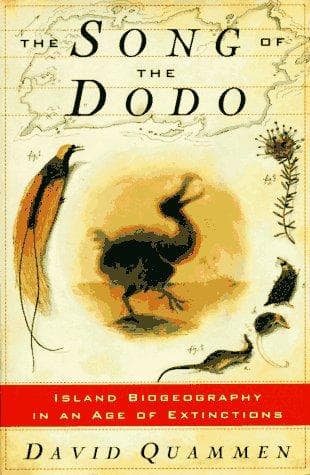
A long-form investigation into how island size, isolation, and landscape change shape species distributions and drive extinctions.
Why it connectsShared: Natural History.
Worth knowingReaders seeking a short, introductory overview of extinction or ecology.