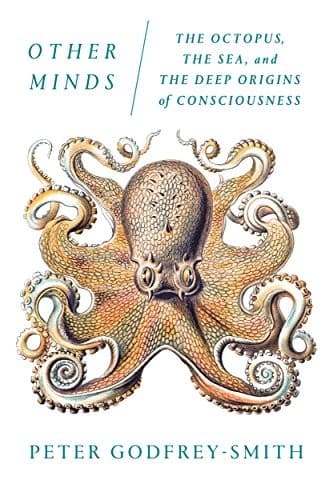
An investigation into nonhuman minds using cephalopods—especially octopuses—as a case study.
Why it connectsShared: Analytic.
Worth knowingReaders seeking dense, technical neuroscience or lab protocols.
Book
Preparing this book and its discovery paths.

Gathering the strongest related paths from this book.
An investigation into nonhuman minds using cephalopods—especially octopuses—as a case study.
Why it connectsShared: Analytic.
Worth knowingReaders seeking dense, technical neuroscience or lab protocols.

Six distinct narratives, each written in a different voice and set in a different time and place, are arranged so that echoes between them imply moral and causal connections across eras.
Why it connectsSibyl sees a broader connection here, but not one precise enough to name.
Worth knowingReaders who prefer a continuous, single-perspective plotline.
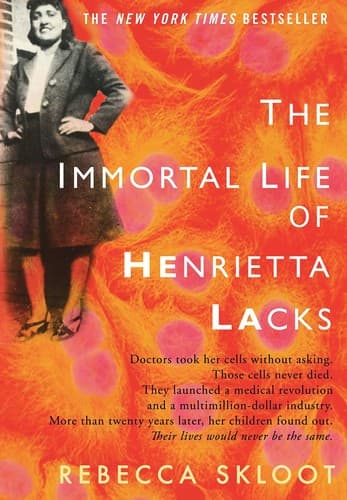
An investigative nonfiction account tracing the life of Henrietta Lacks and the origin of the HeLa cell line, focusing on how her cells were taken, used in scientific research, and the ethical, racial, and personal consequences for her family.
Why it connectsShared: Medical Ethics.
Worth knowingScientific history, legal context, and family testimony share the page, so the investigation often pauses to establish evidence and ethics.

Set against the legacy of a notorious reform school, the novel follows characters who confront buried atrocities and the supernatural traces those abuses may have left behind.
Why it connectsSibyl sees a broader connection here, but not one precise enough to name.
Worth knowingReaders who prefer short, fast-paced thrillers.
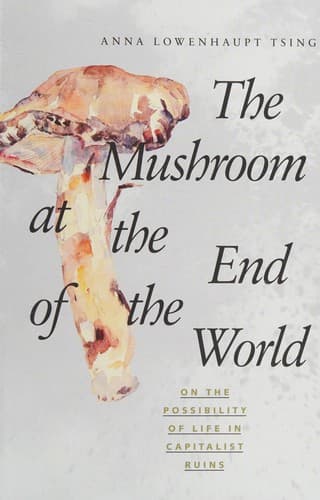
An ethnographic study of matsutake mushrooms and the people and places shaped by their global trade. The author follows harvesters, middlemen, buyers, and landscapes to show how a single wild commodity links local ecological disturbance, precarious livelihoods, and transnational markets.
Why it connectsShared: Inquiring.
Worth knowingReaders seeking a narrowly focused academic treatise with dense empirical tables.